Teeth Whitening
Teeth Whitening Strips With Braces: Can You Use Them?
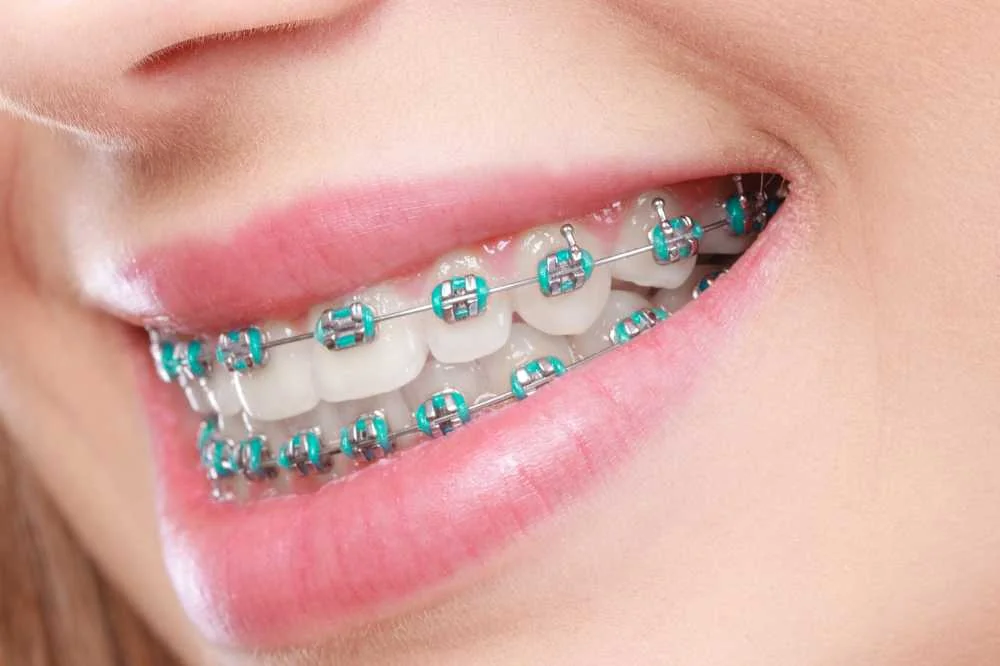
Braces can correct a bad bite and overcrowding and align your teeth, giving you a healthier smile and a confidence boost. But this process takes time, and while you’re waiting for the magic to happen, you may have noticed your teeth aren’t as pearly white as you’d like them to be.
After all, braces are notorious for causing stains, because food and bacteria get trapped so easily in their wires and brackets.
With whitening strips so popular, your first thought is probably, “Can you use whitening strips with braces?” Unfortunately, we may not be able to give you the answer you hoped for. However, the following sections will tell you everything you need to know about whitening your teeth with braces.
Can you use teeth whitening strips with braces?
Whitening strips are an inexpensive, safe, and effective at-home teeth whitening solution. Containing peroxide or another bleaching agent, they’re purpose-built to lift stains off teeth, giving you a bright, confident smile after you apply them for the time shown on the packaging.
Despite how well they work normally, they aren’t a recommended whitening option when you’re wearing traditional metal braces. Why? Because they will only whiten the exposed surfaces and won’t reach the enamel under the bonded brackets. Once your braces are removed, you’ll end up with uneven or two-tone colour. For this reason, most dentists advise against using whitening strips with braces.
Risks of using whitening strips with braces
Uneven whitening may be the main reason most dentists advise against using strips with braces, but it certainly isn’t the only one. The three major risks are:
✕Uneven whitening
As mentioned, the bonded brackets make it impossible for the peroxide or bleaching agent to reach the hidden enamel, causing uneven whitening. Braces also prevent the strip from sitting evenly, which adds to the uneven result.
✕Tooth sensitivity
Whitening strips can lead to tooth sensitivity, which is often more pronounced when wearing braces, as the wires and brackets may already increase sensitivity.
✕Orthodontic damage
The chemicals in whitening strips may damage your braces’ brackets and wires and weaken the adhesive that bonds them to your teeth, leading to more dental visits and less effective orthodontic treatment.
Safe whitening options with braces
Just because you shouldn’t use whitening strips with braces doesn’t mean you need to be unhappy with your tooth colour until they come off. There are plenty of safe whitening options that will help you love your smile.
✓Professional whitening
In-practice, dentist-led treatments involve applying a strong bleaching agent to your teeth, followed by a special light that speeds up the process. Professionals can offer customised, brace-safe whitening, ensuring even whitening of the exposed enamel with less gum irritation and sensitivity.
That said, most dentists will still recommend waiting until your braces are off for any whitening treatment. Why? Because despite the bleach’s strength, it won’t whiten underneath the brackets, so you’ll see where they were once they’re removed.
✓Whitening toothpaste and mouthwash
Whitening toothpaste and mouthwash are arguably the most cost-effective ways to whiten teeth with braces. While you won’t see results immediately, this gradual, gentle option avoids the risks of tooth sensitivity, uneven whitening, and orthodontic damage.
Typically, these toothpastes contain an abrasive material (like silica) that scrubs away stains, and chemicals that dissolve particularly stubborn ones. Using a whitening mouthwash on top helps prevent new stains from forming, for a brighter smile over time.
✓Good oral hygiene
Proper oral hygiene can help prevent discolouration and stains while wearing braces. Brush for at least two minutes twice a day, and always floss to remove food stuck between your teeth and under your braces’ wires.
If you’re serious about preventing stains and discolouration, brushing and flossing after every meal is wise. While this isn’t always possible, doing it as often as you can will pay off.
✓Dietary choices
Since braces put you more at risk of tooth discolouration, you should avoid foods and drinks that cause staining, such as:
- Tea (including green tea)
- Coffee
- Red wine
- Cola
- Fruit juices
- Curry
- Balsamic vinegar
- Tomato-based sauces
- Soy sauce
- Beetroot
- Berries
- Sweets
You should also limit high-acid and high-sugar foods that can do extra damage to your teeth, like sour sweets, fizzy drinks, ice, citrus fruits, crisps, and dried fruit.
Best time to whiten your teeth: before or after braces?
While everybody is different, whitening your teeth after braces is generally a better idea, particularly if you’re correcting orthodontic problems like overcrowding, misaligned teeth, or bite issues. Your teeth will move a lot while wearing braces, making whitening beforehand pointless.
Not to mention that braces increase your risk of stains, potentially undoing any whitening you did before they were fitted.
Your best bet is to prevent stains while wearing braces with good oral hygiene and by avoiding staining food and drink, then whiten afterwards.
The bottom line
As a braces wearer, you should avoid using whitening strips, as they can cause uneven whitening, tooth sensitivity, and potential damage to your braces.
Instead, practise good oral hygiene, use whitening toothpaste and mouthwash, and make smart dietary choices for a bright, white smile while you straighten your teeth.
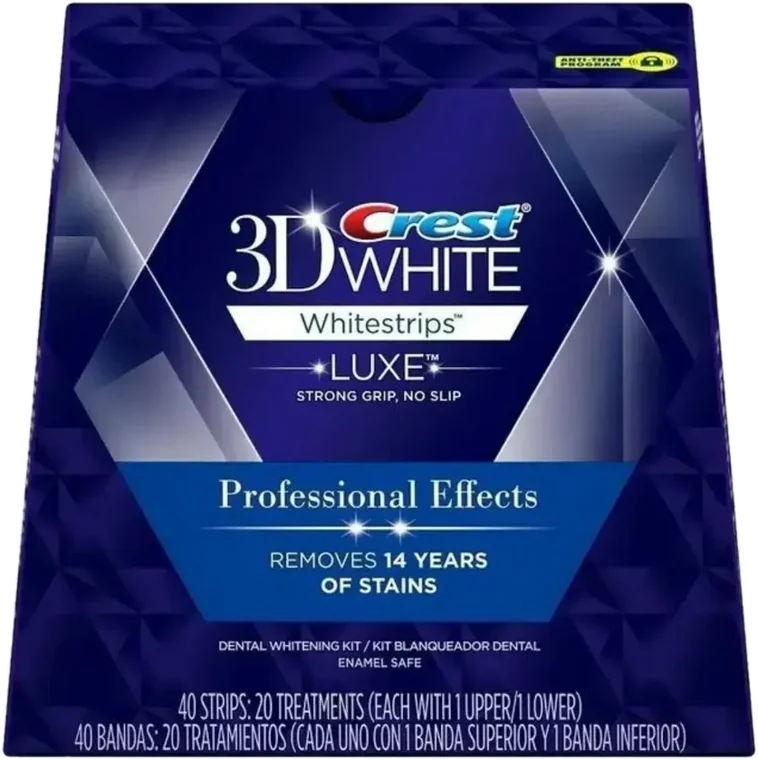
Just had your braces removed?
Whiten with Crest 3D White Whitestrips – LUXE Edition, from £31.00 with free tracked delivery.